|
The new Dual Echo Geoapp ͏ ͏ ͏ ͏ ͏ ͏ ͏ ͏ ͏ ͏ ͏ ͏ ͏ ͏ ͏ ͏ ͏ ͏ ͏ ͏ ͏ ͏ ͏ ͏ ͏ ͏ ͏ ͏ ͏ ͏ ͏ ͏ ͏ ͏ ͏ ͏ ͏ ͏ ͏ ͏ ͏ ͏ ͏ ͏ ͏ ͏ ͏ ͏ ͏ ͏ ͏ ͏ ͏ ͏ ͏ ͏ ͏ ͏ ͏ ͏ ͏ ͏ ͏ ͏ ͏ ͏ ͏ ͏ ͏ ͏ ͏ ͏ ͏ ͏ ͏ ͏ ͏ ͏ ͏ ͏ ͏ ͏ ͏ ͏ ͏ ͏ ͏ ͏ ͏ ͏ ͏ ͏ ͏ ͏ ͏ ͏ ͏ ͏ ͏ ͏ ͏ ͏ ͏ ͏ ͏ ͏ ͏ ͏ ͏ ͏ ͏ ͏ ͏ ͏ ͏ ͏ ͏ ͏ ͏ ͏ ͏ ͏ ͏ ͏ ͏ ͏ ͏ ͏ ͏ ͏ ͏ ͏ ͏ ͏ ͏ ͏ ͏ ͏ ͏ ͏ ͏ ͏ ͏ ͏ ͏ ͏ ͏ ͏ ͏ ͏ ͏ ͏ ͏ ͏ ͏ ͏ ͏ ͏ ͏ ͏ ͏ ͏ ͏ ͏ ͏ ͏ ͏ ͏ ͏ ͏ ͏ ͏ ͏ ͏ ͏ ͏
|
| |
Estimated
This newsletter informs you about the launch of the new DUAL ECHO application (strutucture/ground resonance) and about the promotional offers valid for the current month.
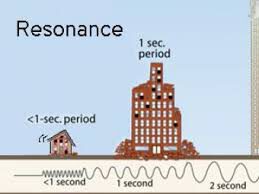
It is now known that the effects of the dual resonance structure/soil are responsible for the majority of damage in the event of an earthquake.
Each structure has its own resonance frequency, it is necessary to investigate if in the subsoil are the amplifications due to stratigraphic resonance around that frequency.
Can the effects of local seismic amplification be excluded due to the double resonance of a building created on soft cover system that overhangs the bedrock-like?
This is the question that the DUAL ECHO application answers.
|
|
|
|
| |
Effects of double resonance
| |
Double resonance effects on the ground/structure are responsible for most damage in case of an earthquake. Each structure has its own Fb resonance frequency Fb, it is necessary to investigate if in the subsoil are the amplifications due to stratigraphic resonance around that frequency.
For the calculation of the resonance frequency of the building, consolidated formulations in technical literature and reported on national and European legislation are applied. The frequency with which the resonance occurs in the soil is described by the law:
f=Vs/4H
Where: - H = Height from the base plane (or height of the building);
- Vs = Speed of shear waves.
EASY HVSR: Allows to obtain immediate results in the estimation of: resonance frequency, stratigraphic profile and velocity of shear waves equivalent Vs, eq. All according to the guidelines suggested by the SESAME project.
|
|
|
|
|
| |
Estimation of vibration period T1 according to EC 8
The estimate of the period of the main vibration mode in the direction considered (T1) shall be made according to the methods reported in Annex C of EC8 Part 1-2, for buildings up to 80 m high, the value of the T1 period may be approximated by the following formula: T1 = Ct(H)3/4 [C1]
Where: - T1 = the basic period of the building, expressed in seconds;
- Ct = coefficient that varies according to the type of building:
- 0.085 for rigid steel knots with steel frames;
- 0.075 for reinforced concrete frames with rigid knots and eccentric bracing;
- 0.050 for all other structures;
- H = building height
|
|
|
|
| |
Verification of double resonance of the building/soil
If the percentage difference in the resonance frequency of the building / soil is ≤ 50%, there will be seismic amplification effects due to double resonance.
If the percentage difference in the resonant frequency of the building/soil is > 50%, the effects of local seismic amplification can be reasonably excluded for the double resonance.
|
|
|
|
| |
|
Find the full article about the effects of the double resonance structure-terrain on our blog.geostru.eu.
|
DUAL ECHO
The DUAL ECHO app. is FREE, allows to estimate the phenomenon of double resonance building / soil ...
|
|
|
|
|
|